
Bunion Treatment in Middle Tennessee
When a Bump at the Big Toe Becomes More Than a Shoe Problem
A bunion can start as a small change at the base of the big toe. Over time, the bump may become more noticeable, certain shoes may feel uncomfortable, and walking or standing for long periods can become painful. Because bunions can gradually change the shape and alignment of the foot, simply switching footwear may not always be enough to manage symptoms.
Tennessee Orthopaedic Alliance provides bunion evaluation and treatment throughout Middle Tennessee. Whether you have recently noticed a change in your foot or have dealt with bunion pain for years, an orthopedic evaluation can help determine how the condition is affecting your foot and which treatment options may be appropriate.
Why Do Bunions Develop?
A bunion, also called hallux valgus, develops when the bones at the front of the foot move out of their normal alignment. The big toe begins angling toward the smaller toes, while the joint at its base becomes more prominent along the inside of the foot.
Bunions can develop gradually, and inherited foot structure can play a role. Certain types of footwear may also aggravate an existing bunion by placing pressure on the affected area.
As the condition progresses, you may notice:
- A visible bump at the base of the big toe
- Redness or tenderness over the enlarged joint
- Pain while wearing certain shoes
- Big toe stiffness
- Difficulty walking comfortably
- Changes in the position of the big toe
- Corns or calluses where toes rub together
The appearance of a bunion does not always indicate how much trouble it will cause. Some remain relatively painless, while others make footwear and everyday movement increasingly uncomfortable.
Choosing a Treatment Based on Your Bunion
Treatment depends on your symptoms and how much the bunion interferes with daily life. For mild or manageable symptoms, nonsurgical options may help relieve pressure and discomfort. These can include choosing shoes with adequate room for the toes, padding, activity changes, medications, or other measures recommended by your provider.
These approaches can help manage symptoms, but they do not correct the underlying bone alignment.
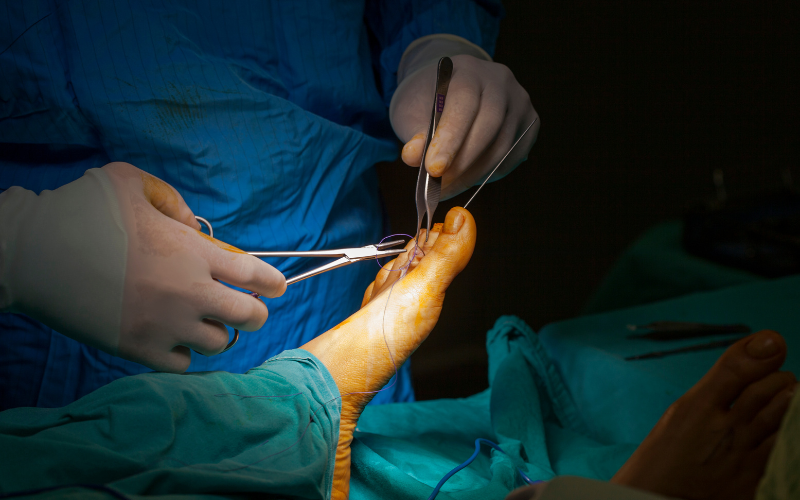
Bunion surgery may be considered when pain remains significant despite conservative treatment or the deformity limits normal activities. There are different surgical approaches to bunion correction, so the procedure selected depends on the individual foot and severity of the condition.
Bunion Treatment Across Middle Tennessee
If a bunion is changing the way you walk, limiting your shoe choices, or making time on your feet uncomfortable, Tennessee Orthopaedic Alliance offers bunion treatment across Middle Tennessee. Schedule an evaluation to discuss what is causing your symptoms and the options available for your foot.
Our Foot & Ankle Specialists
Frequently Asked Questions
Are bunions hereditary?
Foot shape and structure can be inherited, which may make some people more likely to develop bunions. Other factors can also contribute to how the condition progresses.
Do tight shoes cause bunions?
Shoes alone are not necessarily the cause, but narrow or tight footwear can place additional pressure on a bunion and make symptoms worse.
Will a bunion continue to get bigger?
Bunions can progress over time, although the rate of change differs from person to person. Monitoring changes in pain, alignment, and function can help determine when treatment should be considered.
Can bunion pads straighten my big toe?
Padding may reduce rubbing and pressure, but it does not permanently correct the underlying alignment of the bones.
Is bunion surgery only for severe deformities?
Surgery is generally considered based on pain and functional limitations rather than appearance alone. Your specialist can determine whether symptoms and structural changes make surgery appropriate.


